The world is experiencing rapid technological advancements, and 2025 is poised to be a pivotal year for significant breakthroughs. These Future Technology Trends are more than mere concepts; they are actively reshaping businesses and daily routines. Emerging technologies will fundamentally transform how people live and work. You’ll gain insight into what’s on the horizon and learn how to prepare for it. These Future Technology Trends will define the year. Discover more at https://icdeir.com/blog/. These Future Technology Trends promise to usher in substantial changes.
Key Takeaways
AI will be more common. It will be more personal. It will help people. It will help businesses. They will make better choices.
Faster internet is coming. This includes 5G and 6G. It will connect everything. It will connect devices. It will connect people. Our world will be smarter.
New green technologies are coming. They will help make clean energy. They will reuse materials. This will protect the Earth.
Immersive tech is coming. This includes AR and VR. It will change how we learn. It will change how we work. It will change how we play. It will create new digital experiences.
Health tech will offer special medicine. It will offer wearable devices. These will keep people healthier. They will track their well-being.
AI’s Evolving Landscape
AI is now a basic part of daily life. It works like HTTP in computer systems. This makes AI a strong, hidden power. Agentic AI is also growing. It acts on its own to reach goals. This greatly affects software workers. For example, coding helpers save developers two hours daily. This makes them work better. It changes how people do their jobs.
Hyper-Personalization and Predictive AI
AI now gives very personal experiences. It looks at user data. This helps it customize content and products. So, people get recommendations. These fit their likes perfectly. Predictive AI also guesses future trends. It predicts how people will act. Businesses use this to see market changes. They can also see what customers need. This helps them make smart choices. It also makes plans better.
AI in Edge Computing
AI is moving closer to where data starts. This is called edge computing. AI processes data locally. It does not send all data to the cloud. This makes things faster. It also improves response times. Smart cameras and sensors can make choices fast. Edge AI makes many apps work better. It also makes them safer.
Ethical AI and Regulation
AI is growing fast. So, we need strong rules for it. Groups are making plans. These plans ensure AI is used well. For example, one guide helps intelligence workers. It covers how to get and build AI. It also shows how to manage it. This guide follows important rules:
AI must respect people’s rights.
People must make choices. They must also be responsible.
Developers must find and fix bias.
AI systems need good testing. This checks for risks.
Clear documents are key. They show what AI does. They also show its limits.
Regular checks are needed. They ensure AI meets goals. They also find new problems.
These rules help make AI fair. They also make it clear and responsible.
Better Ways to Connect: 5G, 6G, and IoE
Connecting things is key for today’s tech. In 2025, this will get much better. New ways to connect will change how we use the world.
Everywhere 5G and Early 6G
5G tech will be common. Many places will have strong 5G. This network is very fast. It has low delays. It helps new apps. Think of smart factories. Or surgery from far away. Also, 6G research will start. This new wireless tech will be even faster. It will hold more data. Early 6G tests will begin. This sets up new ideas for later.
The Internet of Everything (IoE)
The Internet of Things (IoT) will become IoE. This means more than just devices connect. It includes people and data. Sensors will be in almost everything. They will gather much info. Smart homes will save power. Cities will move traffic better. Factories will watch machines live. This huge network will make smart places.
Internet from Space for Everyone
Satellites will bring internet to far-off places. Companies like Starlink will grow. They will offer fast internet everywhere. This tech helps people without internet. It connects towns. Farmers can use smart tools. People working from home can do their jobs. This global access helps learning and business. It makes sure everyone can join the digital world.
Green Tech and New Ideas
Tech helps the Earth. New green ideas will fix nature problems in 2025. These new ways help us live and work cleaner.
Better Clean Energy
The world needs clean power. New tech makes this happen. Osmotic power systems get energy. They use fresh and salt water mixing. This makes power without burning fuel. New nuclear tech also helps. These reactors are safer. They work better. They make much power with little waste. These steps cut carbon a lot.
Reuse Tech
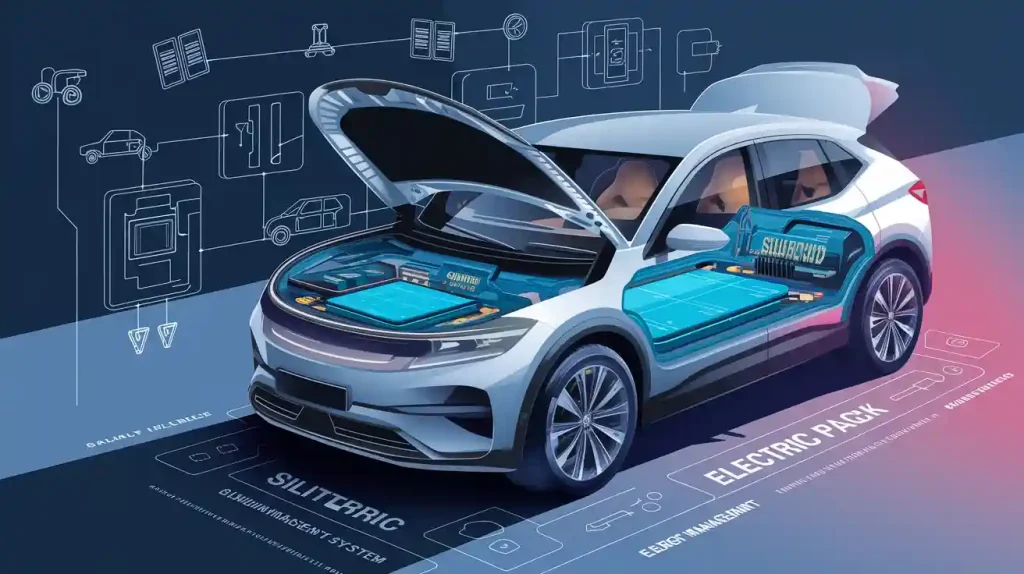
A circular economy reuses things. It cuts waste and dirt. New tech helps this. Structural battery parts are one example. These store energy. They are also strong building parts. A car body could be its battery. This means fewer separate parts. It makes things work better. It wastes less. These ideas keep good stuff in use longer.
Climate Fixes
Many new tech ideas fight climate change. They offer ways for a greener future. These ideas include better ways to use things. They also have new farm methods. Climate tech lowers harm to nature. It helps places deal with a changing climate. These new ideas make a stronger world for all.
Immersive Tech: AR, VR, and Metaverse
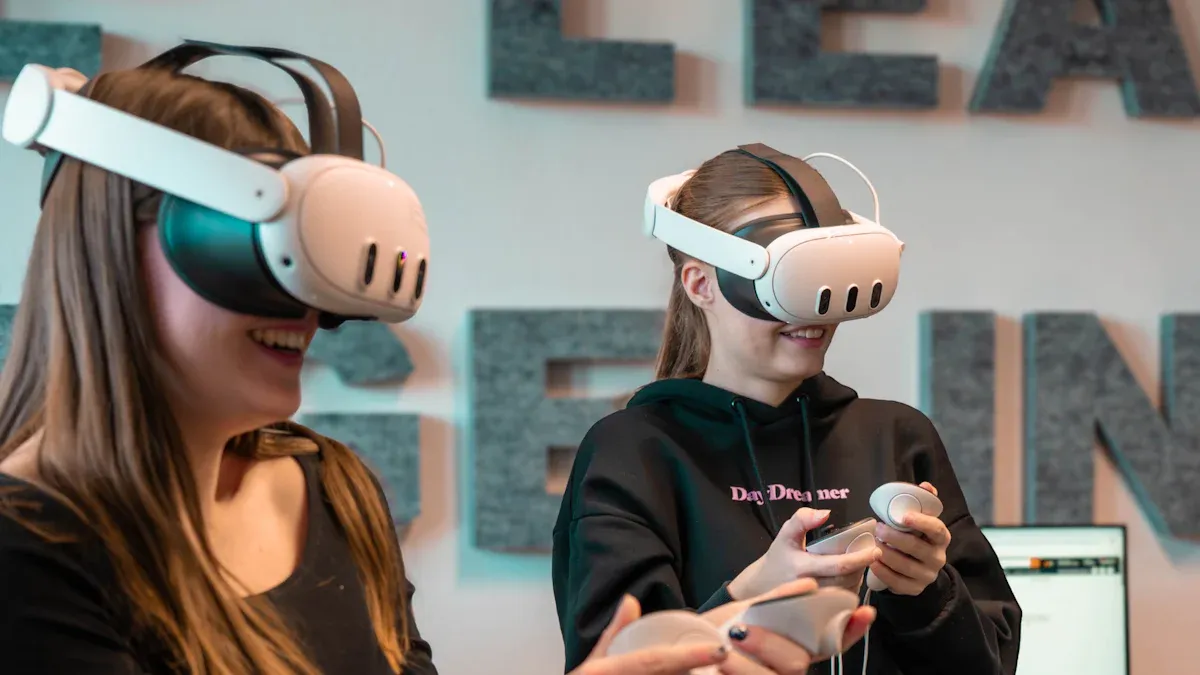
Technology helps people see digital worlds. It lets them feel new things. Augmented Reality (AR) and Virtual Reality (VR) do this. They will be more common by 2025.
Mainstream Augmented and Virtual Reality
AR and VR will be part of daily life. AR puts digital pictures into the real world. People use AR on phones. They play games or shop. VR makes a full digital world. Users wear special headsets. They go into these worlds. Companies will use VR to train workers. Schools will use it for learning. More people will own AR glasses. They will also have VR headsets. These tools will change how people use info. They will also change entertainment.
The Evolving Metaverse Landscape
The metaverse is a big digital place. People can meet there. They can work and play. It is like a new internet. But it is in 3D. By 2025, the metaverse will get bigger. More companies will build parts of it. People will make their own digital selves. They will buy digital things. The metaverse will help businesses. They can connect with customers. It will also change how people talk online.
Haptic Feedback and Sensory Integration
Haptic feedback makes digital things feel real. It adds the sense of touch. This tech is growing fast. Doctors use haptic feedback. They train for surgery. They practice in fake rooms. They feel what they touch. Smart fake body parts use haptics. They help users feel things. In school, haptic touch helps students learn. They can feel fake objects.
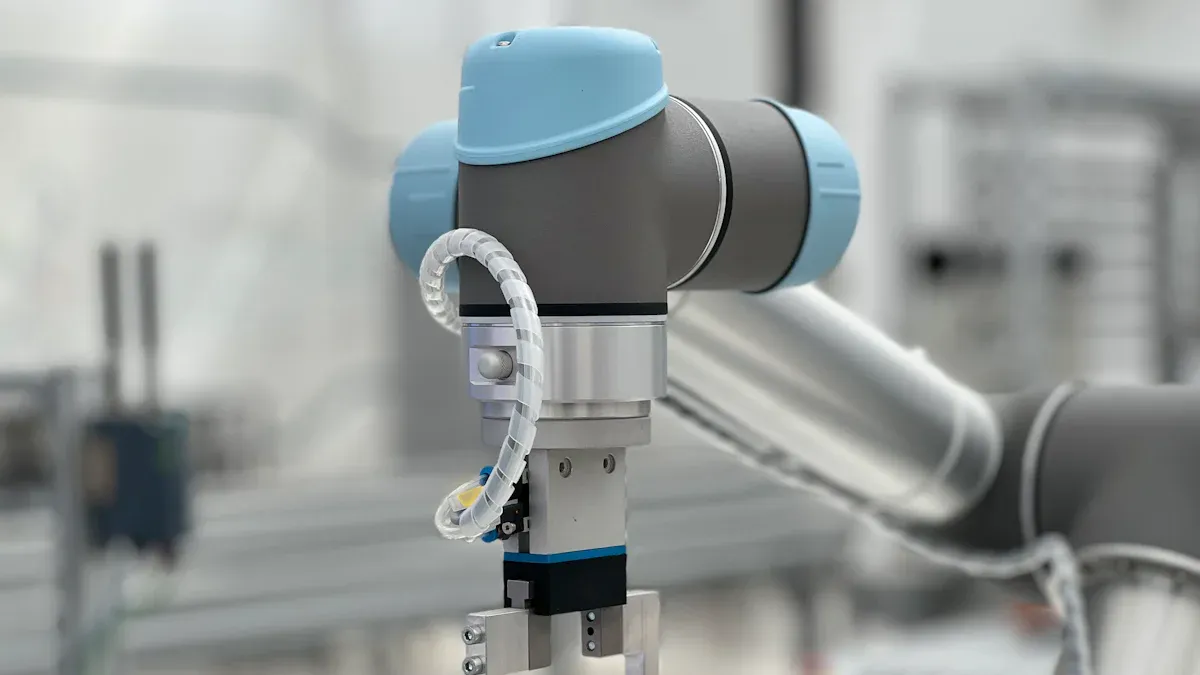
In fun, haptic feedback makes games better. It adds force. It can even add heat. Imagine a “haptic greeting” in a chat! 🤝 Haptic sensing also helps control robots. It works from far away. It helps people handle weak items. New stuff like graphene helps build haptic tools. These tools can bend. They can even fix themselves. Advanced making, like 3D printing, makes small haptic sensors. They are strong. AI helps these systems work faster. It handles hard data. This is for hand control. The goal is real-time touch. It also means real-time feedback. This will make fake control better. It will also make smart fake body parts better. And fake surgery will be better.
Some examples of this tech are:
Soft, clear touch screens. They are made from ionic hydrogel.
Flexible sensors. They map pressure on faces or hands.
Ring sensors. They catch hand moves for fake pianos.
Fake bionic skin. It controls robots without wires.
Wireless haptic devices. They are for combat games.
Skin parts for robot body parts.
Biotech and Health Tech Innovations
Biotechnology and health tech will change a lot in 2025. These new ideas will make health care better. They will also help people live healthier.
Personalized Medicine and Genomics
Doctors will use a person’s genes more. This helps them make special treatments. Genomics studies genes. It helps pick the right drugs. It also sees disease risks. Patients get medicine that fits them. This stops guessing what works. Treatments become much better.
Wearable Health and Remote Monitoring
Wearable devices will get smarter. They will track health all the time. These are smartwatches and patches. They check heart rate and sleep. They also check activity. Doctors can see this data from far away. This helps manage long-term sickness. It also finds problems early. Remote checks give patients more control. It also makes them feel calm.
Gene Editing and Synthetic Biology
Scientists are good at changing genes. This tech lets them change DNA. They can fix gene mistakes. These mistakes cause sickness. Special living treatments are new. They use changed cells as medicine. Some use germs to fight cancer. GLP-1s are also a big step. These drugs help control blood sugar. They also help with weight. They can treat diabetes and obesity. Synthetic biology makes new life systems. These can make new drugs. They can also make new materials. These new ideas help treat sickness. They also make people healthier.
Future of Work and Learning
Workplaces will change a lot by 2025. Learning ways will also change. New tech will change daily tasks. It will also create new ways to learn. People will work with smart machines. They will need new skills for new jobs.
AI-Powered Collaboration and Automation
AI tools will make teamwork simple. They will also do many tasks by themselves. Companies use AI to automate things. They see big gains. MIT research shows a 40% rise in output. This is much better than old ways. AI helps workers. It takes over normal jobs. This lets them do more important work. AI also gives smart help. This makes more things get done. For example, AI makes customer service better. It answers common questions fast. Customers get help all the time. This means quicker, personal help. It also costs less money. HR teams also get help. AI gives quick answers for things like pay or time off. This lets HR work on bigger plans. People will work closely with AI. This makes new ways for people and machines to work together.
Skill Development for the Digital Economy
The digital world needs new skills. Workers must learn to use AI tools. They also need to get data. Thinking well and solving problems are still key. People will often do many jobs at once. This means they handle different tasks. They might run projects. They might look at data. They might use AI tools all together. Learning all the time is important. People must update their skills often. This helps them stay useful.
Immersive Learning Environments
Learning will be more fun. Tech like AR and VR will make new classrooms. Students can visit old places in VR. They can try hard tasks in a safe, digital space. For example, medical students can do fake surgeries. Engineers can make and test products in AR. These places make learning hands-on. They help people get hard ideas better. This gets them ready for future jobs.
Cybersecurity and Data Governance
Digital safety is more important. Tech trends like AI, connections, and green efforts all link up. Cisco says these things come together. Businesses must keep their data safe. They also need to handle it well.
AI-Driven Threat Detection
AI helps find online dangers. It learns from much data. AI systems can see strange patterns. These often mean a cyberattack. This makes finding threats quicker. It also makes it more exact. AI can find new bad software. It can also spot fake messages. This quick action makes defenses stronger. It saves systems before big harm happens.
Quantum-Resistant Cryptography
Quantum computers are a future danger. They could break today’s codes. Scientists are making new codes. These new codes stop quantum attacks. They use hard math problems. These problems are tough for quantum computers. Companies will start using these new ways. This keeps private data safe for a long time. It makes sure data is secure from future computer power.
Data Privacy and Regulatory Compliance
Data privacy rules are growing globally. Companies must follow strict laws. These laws keep personal info safe. They say how businesses get data. They also control how businesses keep and use data. Following rules becomes a main goal. Businesses also see data as a new item. Trends show data plans are now product plans. Companies use data to make new services. They also use it to make old ones better. This needs careful data control. It makes sure data use is right and legal.
2025 will be a time of big tech changes. Many new technologies will come together. These Future Technology Trends will change our world a lot. They will affect people. They will affect businesses. They will affect all of society. We must be able to change. We must keep learning. We must think about what is right. This is key for this new future. People should accept these changes now. This will help them do well later. These Future Technology Trends bring many chances to grow.
FAQ
What is agentic AI?
Agentic AI works by itself. It tries to reach certain goals. This AI helps software workers. It saves them time on jobs. This makes their work better.
How will 5G and 6G change daily life?
5G will be everywhere. It gives very fast speeds. It also has small delays. This helps new apps. Early 6G studies will start. It promises quicker wireless links. These tools will make smart cities better. They will also help distant work.
What is the Internet of Everything (IoE)?
The Internet of Everything links many things. It connects devices and people. It also links data. Sensors will collect much info. This makes smart places. IoE will make homes better. It will also make cities better. It will improve factory work too.
How does personalized medicine work?
Personalized medicine uses a person’s genes. Doctors make special treatments. Genomics helps pick good drugs. It also finds sickness risks. Patients get medicine just for them. This makes treatments work better.
What is quantum-resistant cryptography?
Quantum-resistant cryptography keeps data safe. It uses new codes. These codes stop future quantum attacks. Scientists are making them now. Companies will use these ways. This keeps private data safe for long.