
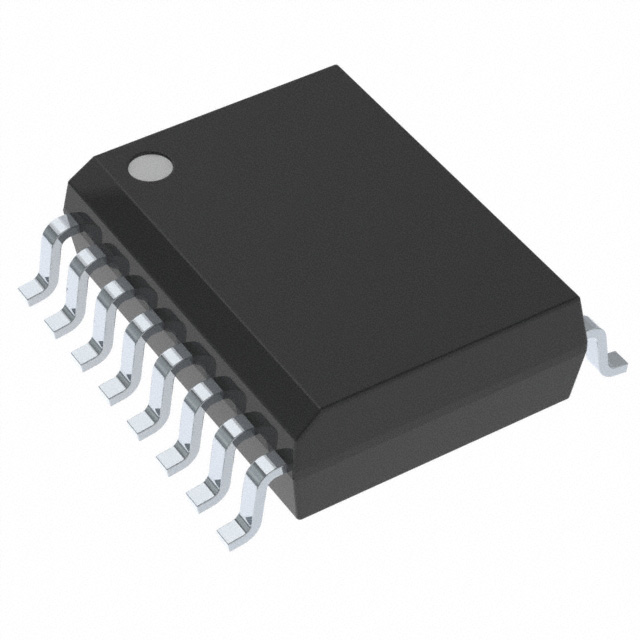
Analyzing the Role of AD694ARZ in Signal Conditioning and Current Loop Driving reveals how the AD694ARZ simplifies signal handling and current loops. This device boasts impressive features that enhance accuracy and streamline operations. For instance, it provides a voltage gain of 93.98dB and a power supply rejection ratio (PSRR) of 80dB, ensuring consistent and reliable performance. Additionally, its low input offset voltage of 150μV minimizes signal errors. The AD694ARZ is particularly beneficial in industrial settings where reliability is crucial. By utilizing the AD694ARZ, system performance is significantly improved, making processes less complicated.
Key Takeaways
The AD694ARZ makes signal handling and current loops easier to use.
It gives a steady 4-20mA output for sending data far away.
Checking and adjusting the AD694ARZ often keeps it accurate and avoids problems.
Good heat control and steady power are important for it to work well.
The AD694ARZ works with many sensors, so it fits different industrial jobs.
Overview of AD694ARZ
Key Features and Specifications
The AD694ARZ is a helpful current transmitter. It makes signal handling and current loops easier. Its strong features are great for industrial use. Here is a simple list of its main details:
Feature | Specification |
|---|---|
Input Range | 0–10 V input |
Output | 4–20 mA current output |
Loop Voltage | Up to 36V |
Built-in Loop Supply | Provides loop current |
Package/Case | 16-SOIC (0.295, 7.50mm Width) |
Current-Supply | 23 mA |
Operating Temperature | -40°C ~ 85°C |
Mounting Type | Surface Mount |
Product Status | Active |
Type | Current Transmitter |
Input Type | Voltage |
Output Type | Voltage |
These details show how the AD694ARZ works with many input signals. It gives accurate and steady current outputs. Its small design makes it easy to fit into tight spaces. Since it is active, it is ready for today’s needs.
Ideal Characteristics for Signal Conditioning and Current Loop Driving
The AD694ARZ is great for signal handling and current loops. It reads input signals with high accuracy and low errors. Its 4–20 mA output is good for sending data far without losing quality. The built-in loop supply removes the need for extra parts, making designs simpler.
It works well in tough conditions, from -40°C to 85°C. It can handle up to 36V loop voltage, so it fits many systems. These features make systems more reliable and easier to design. Engineers like using it for these reasons.
Signal Conditioning with AD694ARZ
Processing Input Signals
The AD694ARZ handles signals accurately, making it great for precise tasks. It changes voltage inputs from 0 to 10 volts into a steady 4–20 mA current output. This keeps signals stable and safe from outside interference during transmission. Its low input offset voltage reduces mistakes, giving good results even in tough conditions.
To improve signal handling, focus on keeping it cool and powered well. For example:
Strategy | Explanation |
|---|---|
Thermal Management | Use heat sinks or cooling to stop overheating and stress. |
A regulated power source avoids voltage changes that hurt performance. |
These steps help the AD694ARZ work well, even in hard situations.
Improving Signal Quality and Accuracy
Good signal quality is key in industrial systems. The AD694ARZ improves this by cutting noise and keeping outputs steady. Its built-in loop supply removes extra parts, making designs easier and more reliable. You can make it even better by designing PCBs with short, direct paths. This lowers noise and voltage spikes, keeping signals clean.
Testing and calibration are also important for accuracy. For example, in medical or industrial systems, regular calibration ensures the AD694ARZ stays precise over time.
Sensor Compatibility
The AD694ARZ works well with many sensors, making it flexible for different uses. Whether you use temperature, pressure, or flow sensors, it fits your needs. Its wide input range and strong output make it easy to add to systems without problems.
Its 4–20 mA output sends sensor data far without losing quality. This is helpful in factories where sensors are far from control systems. Using the AD694ARZ makes sensor setup simple and keeps data reliable.
Current Loop Driving
4-20mA Output Capability
The AD694ARZ provides a steady 4-20mA current output. This range is common in industrial systems. It helps send signals over long distances without losing quality. Even in noisy electrical areas, the signal stays clear. You can use this to send sensor data to control systems safely.
The 4-20mA output also makes fixing problems easier. If the current drops below 4mA, it often means something is wrong. This helps you find and fix issues faster. This feature improves system reliability and reduces downtime.
Benefits in Industrial Environments
The AD694ARZ works well in tough industrial conditions. Its strong design keeps it running in extreme temperatures or areas with electrical noise. It ensures signals stay accurate and systems run smoothly.
Here are some ways it is used in industries:
Process Control Systems: Sends signals efficiently in factories.
PLCs (Programmable Logic Controllers): Helps machines talk to each other in automation.
Data Acquisition Systems: Collects and processes data from different sensors.
These uses show how the AD694ARZ supports smooth operations in complex setups.
Ensuring Efficiency and Reliability
Efficiency and reliability are very important in industrial systems. The AD694ARZ helps by having a built-in loop supply. This removes the need for extra parts, making designs simpler and saving space.
It works across a wide voltage and temperature range, making it dependable. Whether indoors or outdoors, it adjusts to your needs. Regular checks and calibration can keep it working well for a long time.
By understanding the role of the AD694ARZ, you see how it makes systems easier to use and more reliable.
Practical Implementation
Steps to Add the AD694ARZ
Adding the AD694ARZ needs careful steps. First, attach the chip firmly to the PCB. This stops damage from shaking or bumps. For important tasks, use backup chips for safety. This way, if one fails, the system keeps working.
You can also use software tools to check the chip’s health. These tools find problems early and help fix them fast. This makes maintenance easier and avoids bigger issues. Following these steps helps the chip work well in your system.
Tips for Circuit Design
When designing circuits, pick good parts to avoid noise. This keeps signals clear and strong. For more help, check these guides:
Title | Date |
|---|---|
03/01/2010 | |
High-performance Adder Uses Instrumentation Amplifiers | 09/03/2009 |
A Designer’s Guide to Instrumentation Amplifiers, 3rd Edition | 01/02/2006 |
These guides teach how to reduce noise and improve signals. They also explain how to arrange parts for the best results. Using these tips makes your circuit work better.
Fixing Common Problems
Sometimes, the AD694ARZ may not work right. If signals are messy or outputs change, check the power source. Unsteady power can cause problems. Look at the PCB for long wires or bad grounding, which can add noise.
If the chip gets too hot, make sure it’s in the right temperature range. Add cooling fans or heat sinks to lower heat. Regularly check and adjust the chip to keep it accurate. Fixing these problems early keeps your system running well.
Real-World Applications
Process Control and Automation
The AD694ARZ is great for controlling processes in factories. It changes voltage signals into a steady 4–20mA current output. This helps sensors and control systems share accurate data. It’s especially useful for sending signals over long distances without losing quality.
For instance, on an assembly line, it sends data from sensors like temperature or pressure to a control unit. This lets the system adjust quickly, making work faster and reducing mistakes. Its strong design works well in tough places with high heat or electrical noise.
Tip: Check and calibrate the AD694ARZ often. This keeps it working well and avoids problems in your automation systems.
Monitoring and Data Collection
The AD694ARZ is important for systems that collect and monitor data. It processes signals accurately, making it perfect for jobs needing clean signals. It gathers data from sensors like flow meters or humidity detectors and sends it to monitors or data loggers.
It works with many sensors and keeps signals clear over long distances. This makes it popular in industries like energy, water treatment, and environmental monitoring. For example, in a water plant, it tracks pH levels and flow rates to keep the system safe.
Other Industrial Uses
The AD694ARZ is useful in many fields beyond factories. It’s found in medical tools, airplanes, and even gadgets at home. For example, in medical devices, it sends important data like heart rate or blood pressure to monitors.
Here’s a simple table of its uses:
Application Type | Examples |
|---|---|
Main Uses | Factory automation and control systems |
Medical tools and machines | |
Airplane and defense systems | |
Other Uses | Car systems |
Home electronics | |
Industrial sensors |
This table shows how flexible the AD694ARZ is. It’s trusted in many areas because it’s reliable and accurate.
The AD694ARZ makes handling signals and current loops easier. It is very useful for industrial systems. It processes signals well and gives steady 4–20mA outputs. This ensures it works reliably every time. You can make it work better by using smart methods like keeping it cool and having a stable power source.
Strategy | Benefit |
|---|---|
Thermal Management | Stops overheating and keeps the device working properly. |
Stable Power Supply | Avoids power changes that could cause errors or issues. |
Proper PCB Design | Reduces noise and keeps signals clear and strong. |
Regular Testing and Calibration | Helps find problems early and keeps the device accurate. |
Looking at how the AD694ARZ helps with signals and loops shows its simplicity and reliability. Use it to improve your system and keep it running well for a long time.
FAQ
Why is the AD694ARZ good for industrial use?
The AD694ARZ is strong and works in tough conditions. It handles wide temperatures and gives a steady 4–20mA output. Its built-in loop supply makes circuits easier to design. This is why it’s great for industrial systems.
How does the AD694ARZ make signals more accurate?
The AD694ARZ reduces noise and errors with its low input offset voltage. It keeps signals clear, even over long distances. Good PCB design and regular checks make it even more accurate.
Can the AD694ARZ work with different sensors?
Yes, the AD694ARZ works with many sensors like temperature, pressure, and flow sensors. Its wide input range and 4–20mA compatibility make it useful for many tasks.
What should you think about when using the AD694ARZ in circuits?
Focus on keeping it cool and using steady power. Make sure the PCB has short, direct paths to lower noise. Test the circuit often to keep it working well.
How does the AD694ARZ help fix problems?
The 4–20mA output shows problems fast. If the current drops below 4mA, it means something is wrong. This helps you fix issues quickly and keeps the system running.
Tip: Always check the AD694ARZ to avoid sudden problems.
See Also
Harnessing Signal Management Using AD9850BRSZ-REEL and ADI Tech
AD797BRZ-REEL7: The Ultimate Precision Amplifier Solution
CDCL6010RGZR: Texas Instruments’ Innovative Signal Distribution Solution
Unveiling ADI’s 16-Bit ADC Wonder: The AD7656BSTZ
Investigating the ADXL357BEZ: An Efficient Low Power Accelerometer