
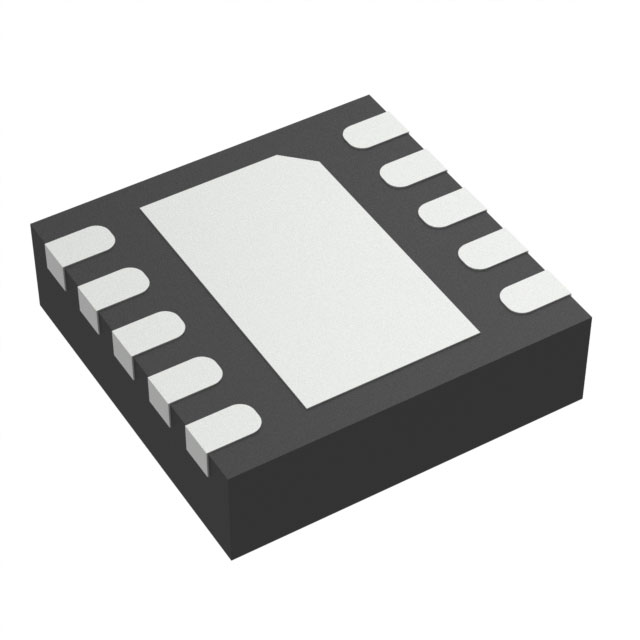
Good communication is essential for modern industrial control systems, especially when integrating advanced tools like TPS74801DRCR. It plays a crucial role in monitoring, managing, and enhancing system performance. However, adding new machines to legacy setups can be challenging, as older systems may not seamlessly support advanced solutions such as TPS74801DRCR. To address this, a well-thought-out plan is necessary. Evaluating your system and incorporating tools like TPS74801DRCRServer Power Management Communication Equipment Industrial Control System can significantly optimize operations and ensure better functionality.
Key Takeaways
Planning well is important when adding new tools to systems. It prevents issues and makes the process easier.
Knowing what your system needs is very important. Find out the data type, speed, and reliability to pick the best tools.
Testing new tools to see if they work well is key. Regular tests stop problems and keep systems working smoothly.
Working together as a team helps add new tools better. Include key members, talk clearly, and give everyone a role to work well together.
Training and helping your team often is necessary. This teaches them to use systems well and handle future problems.
Planning and Getting Ready for New Equipment
Planning well is key when adding new communication tools. It helps keep things running smoothly and avoids problems. By following clear steps, you can connect new tools easily and improve how your system works.
Understanding Communication Needs and Goals
First, figure out what your system needs to communicate. Think about the type of data, speed, and reliability needed. For example, if your system checks things in real-time, you’ll need fast tools. Knowing your goals helps you pick the right equipment.
Automation can also help meet these needs. For example, systems like Manufacturing Execution Systems (MES) make sure the right tools are used for each job. This makes work more accurate and efficient.
Checking Current Systems for Compatibility
Before adding new tools, check your current setup. Make sure it can work with advanced tools like tps74801drcrserver power management systems. Look for problems like different communication methods or old hardware. Fixing these early saves time and money later.
To learn more, look at real-life examples. The table below shows case studies with helpful tips:
Case Study Title | Description |
|---|---|
Equipment Integration & Automation | Talks about problems in factories and how to fix them. |
IIoT for Legacy Equipment Integration | Shows how to connect old systems with new technology. |
Real-Time Process Monitoring with IIoT | Explains how real-time data helps improve systems. |
Robotic Process Automation | Shares ideas for better automation without old-style controls. |
These examples show how planning and checking systems lead to success.
Picking Tools for tps74801drcrserver Power Management
Choosing the right tools is very important. When picking tools like tps74801drcrserver power management systems, focus on what fits your needs. Look for tools that are easy to use, reliable, and can grow with your system. Tools that handle real-time data and give smart insights can make your system better.
Think about how the tools will help in the future. Good tools can lower repair costs and make your system work better. Picking the right tools keeps your system ready for changes and challenges ahead.
Testing and Using Communication Equipment
Checking Compatibility and Performance
Testing makes sure new tools work well in your system. Start by checking if the tools fit with what you already have. These checks find problems like mismatched systems or old hardware. Next, test how the tools handle data, speed, and reliability during use.
To see how well testing works, track these key points:
Metric | What It Shows |
|---|---|
Test Cases Done | Shows how many planned tests were completed. |
Defect Density | Counts problems in the code to check its quality. |
Test Case Success | Checks how well tests find problems. |
Defects Missed | Finds problems users discover after testing, showing gaps. |
Problem Fixing Rate | Measures how well testing finds and fixes issues. |
Test Coverage | Shows how much of the system has been tested. |
These points help you see if the tools are ready. For example, too many problems in the code mean it needs fixing. If parts of the system aren’t tested, they need attention.
Setting Up SCADA Systems for Easy Use
SCADA systems need proper setup to work smoothly with new tools. They help factories run better by controlling processes and cutting waste. SCADA systems collect data to find problems, predict breakdowns, and help make smart choices.
SCADA connects easily with other systems like MES, PLC, and IoT. This connection gives a full view of the factory, making it easier to control and fix things quickly.
Tip: Adding SCADA to a Unified Namespace makes sharing data simple. This setup lets devices join the SCADA network easily, saving time and money on setup.
Adding Backup Systems for Reliability
Backup systems are important to keep things running smoothly. They help during equipment failures or network issues. Using backups like extra communication lines or mirrored servers reduces downtime.
For SCADA, backups keep monitoring and control going even when problems happen. They also protect important data, keeping it safe and easy to access. By using backups, you build a strong system that stays reliable over time.
Improving Teamwork During Equipment Integration
Good teamwork is key for smooth equipment integration. When teams work well together, the process is easier, and results are better. Here are ways to improve teamwork during integration projects.
Including Important People in Decisions
Getting input from key people helps meet everyone’s needs. Invite team members from operations, IT, and management to planning meetings. Their ideas can spot problems early and keep the project on track. For example, IBM’s diverse team, with 47% from different backgrounds, shows how teamwork boosts creativity and happiness. By listening to different views, you can find solutions that work for all.
Keeping Communication Simple and Clear
Clear communication helps projects succeed. When teams know their roles and share updates, they avoid mistakes. Studies show workers who feel included are five times more productive. Also, 86% of workers say poor communication causes failures. Use tools like project software or shared dashboards to improve communication. Teach For America used Asana to save time and stay organized. These tools help everyone stay updated and work together better.
Giving Clear Jobs for Integration Tasks
Clear roles stop confusion and make sure work gets done. Each person should know their job and deadlines. For example, one person can handle testing, and another can set up SCADA systems. This keeps the project organized and running well. XYZ Corp improved productivity by 25% in three months by using clear roles. When everyone knows their job, the team can focus on shared goals.
Tip: Try a RACI matrix (Responsible, Accountable, Consulted, Informed) to assign roles. It helps avoid confusion and keeps everyone accountable during the project.
By including key people, keeping communication clear, and assigning jobs well, you can improve teamwork and make your integration project a success.
Training and Support for Industrial Control Systems
Proper training and support are key for running industrial systems well. Teaching your team the right skills helps with smooth setup and long-term success.
Teaching SCADA and Other System Skills
Special training for SCADA and other tools boosts team skills. These lessons explain how SCADA works and how to use it daily. For example, the Department of Homeland Security and Idaho National Laboratory offer courses. They teach how to protect industrial systems using years of expert knowledge.
Training Provider | Focus Area | Key Benefits |
|---|---|---|
DHS & INL | Securing industrial control systems through innovative training programs | Real-world insights from global infrastructure experts |
SANS Institute | Cybersecurity training for operational technology (OT) and control system engineers | Hands-on skills to safeguard critical infrastructure |
ICS Cybersecurity | Incident response and defense strategies for SCADA and other industrial systems | Advanced knowledge to protect against accidental or intentional risks |
These lessons improve technical skills and prepare teams for challenges.
Giving Regular Support for Communication Tools
Even great systems need regular help to work well. Providing ongoing support keeps communication tools reliable. Maintenance checks and updates fix problems early. A support team ready to help can reduce downtime and keep things running.
Tip: Work with vendors offering 24/7 support and updates. This keeps systems safe and working properly.
Solving Common Problems in Equipment Setup
Adding new tools can be tricky, but solutions exist. Start by making all systems visible for easy monitoring. Use network segmentation to improve security and control access. Keep a list of all equipment to manage risks better. These steps make setup easier and strengthen your system.
By focusing on training, support, and smart strategies, your systems can stay strong and secure.
Monitoring and Improving Communication Systems
Using Tools to Check Performance
To keep systems working well, use performance-checking tools. These tools track data, find problems, and keep things running smoothly. For example, tools like Performance Analysis Toolbox and Solutions (PATS) help monitor systems better. They collect data, check models, and assess performance. A hydrogen unit case study showed how PATS improved decisions and monitoring.
Case Study Title | Key Parts | What It Does |
|---|---|---|
Using Controller Performance Tools | PATS system | Tracks data, checks models, and improves performance. |
Advanced Monitoring System | Performance monitoring tools | Looks at data, finds issues, and suggests fixes for plants. |
These tools also allow remote monitoring, so you can check systems from anywhere.
Finding and Fixing Slowdowns
Slow spots in your network can cause delays. To fix them, check system data for frequent errors or delays. Use tools that show detailed diagnostics to find the problem. Once found, fix it by upgrading hardware, changing software, or improving layouts.
For instance, if one part of the network is slow, replace it with a faster one. Regularly checking your system helps catch and fix problems early.
Making Systems Better Over Time
Improving systems over time keeps them efficient. Start by setting clear goals for performance. Use tools to track progress and find areas to improve. Update systems regularly based on what the data shows.
Ask your team for feedback about how the system works. Their ideas can help find hidden problems or ways to improve. Also, using predictive maintenance can stop problems before they happen. By focusing on improvement, your system stays strong and ready for the future.
Good communication in industrial systems begins with careful planning. Testing everything and working together as a team are also important. Teaching your team and checking how systems work help them last longer. These actions make adding new tools easier and improve how well they work.
Pro Tip: Using trusted methods cuts delays and boosts work output.
By improving communication, you prepare your system for the future. Start now to create a system that handles problems and supports new ideas.
FAQ
What is the first step in adding new communication tools?
Check what your system needs to communicate. Find out the type of data, speed, and reliability it requires. This helps you pick tools that match your goals and makes setup easier.
How can you make sure new tools work with old systems?
Look at your current setup for problems. Check for old hardware or different communication methods. Fix these issues early to avoid delays and save money during setup.
Why are backup systems important for industrial setups?
Backup systems keep things running when parts fail. If one tool stops working, the backup takes over. This reduces downtime and keeps important data safe, making your system stronger.
What tools help check how well communication systems work?
Use tools like Performance Analysis Toolbox and Solutions (PATS). These tools find slow spots, track data, and suggest fixes. They also let you check systems from anywhere using remote monitoring.
How does training help systems work better?
Training teaches your team how to use and fix systems. It lowers mistakes, boosts efficiency, and helps your team handle problems like cyber threats. Good training programs prepare your team for future challenges.
Tip: Work with vendors who offer special training for SCADA and other tools.
See Also
Exploring FPGA Applications for Today’s Industrial Automation Needs
Benefits of Using MAX3485ESA for RS-485 Communication
The Importance of MCIMX6Q6AVT10AD in Modern Control Systems
Implementing TMS320F28034 for Enhanced Automation System Performance
Enhancing Electronics Performance with EPM570T100C5N Solutions