Real-time image processing needs to be fast and efficient. Using MT41K128M16JT-125:K with FPGA technology makes tough tasks easier. The MT41K128M16JT-125:K memory works quickly to access data. FPGA platforms are great at doing many tasks at once. Together, they give strong performance for digital signal processing.
For example, systems with these tools process data at 17.4 Terabit/s. This lets 34 video functions run at the same time. This speed helps in areas like medical imaging, self-driving cars, and factory machines to work smoothly in real-time.
These tools can also use special algorithms for unique jobs. They can grow to handle both easy and hard tasks well.
Key Takeaways
FPGA technology lets many tasks run at the same time. This makes real-time image processing fast and efficient.
The MT41K128M16JT-125K memory gives quick data access with little delay. This improves how well image processing systems work.
When FPGA technology and MT41K128M16JT-125K memory are combined, they create strong systems. These systems can handle hard jobs like in self-driving cars and medical tools.
FPGA systems can change and grow easily. They can be updated for future needs without needing new parts.
FPGAs make things faster and use less energy. This makes them great for tough jobs in many industries.
Overview of FPGA Technology and MT41K128M16JT-125K
FPGA Technology for Parallel Processing
FPGA technology lets you do many tasks at once. Unlike regular processors, which work on tasks one by one, FPGAs handle multiple tasks together. This makes them perfect for real-time image processing. For example, in signal processing, FPGAs can quickly change and study signals without waiting.
To check how well FPGAs work, researchers use tests called benchmarks. These tests show how FPGAs manage hard tasks. Below is a table with some common benchmarks:
Benchmark Suite | What It Tests | How It Measures Performance |
|---|---|---|
RAW Benchmark Suite | Checks reconfigurable systems like FPGAs. | Speed (kHz), speedup per FPGA. |
VPR | Tests FPGA design for placing and routing tasks. | Task speed and throughput. |
MCNC Benchmark Suite | Includes tests for circuit design and optimization. | Circuit design tools. |
DSP Benchmarks | Tests FPGAs for digital signal processing tasks. | Media and telecom performance. |
OFDM Receiver Benchmark | Measures how well signals are processed. | Metrics for specific applications. |
These benchmarks show how FPGAs handle tough jobs like image processing. Using FPGAs helps you get fast and efficient results in your projects.
Features of MT41K128M16JT-125K Memory Module
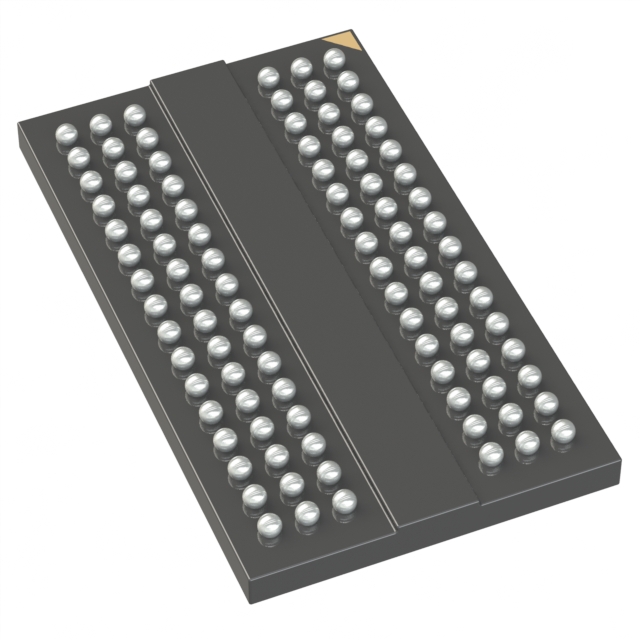
The MT41K128M16JT-125K is a fast memory module made for advanced tasks. It gives quick access to data, which is important for real-time image processing. With speeds up to 1600 MT/s, it works smoothly even for hard jobs.
One great feature is its low latency. This means it can quickly save and get data, cutting down delays. It also has a large storage space, so it can handle high-quality images. Its energy-saving design uses less power, which is helpful for systems that run all the time.
When you pair this memory with FPGA technology, you can get amazing performance for image processing tasks.
Integration of FPGA and MT41K128M16JT-125K for Image Processing
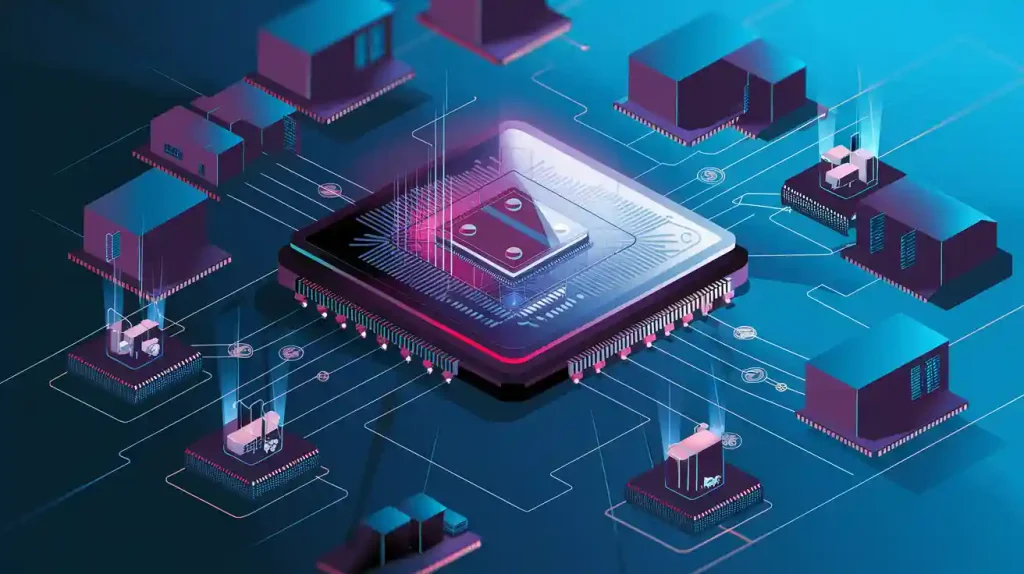
Combining FPGA technology with the MT41K128M16JT-125K creates a strong system for real-time image processing. The FPGA does many tasks at once, while the memory gives fast and steady data access. Together, they process big amounts of image data quickly.
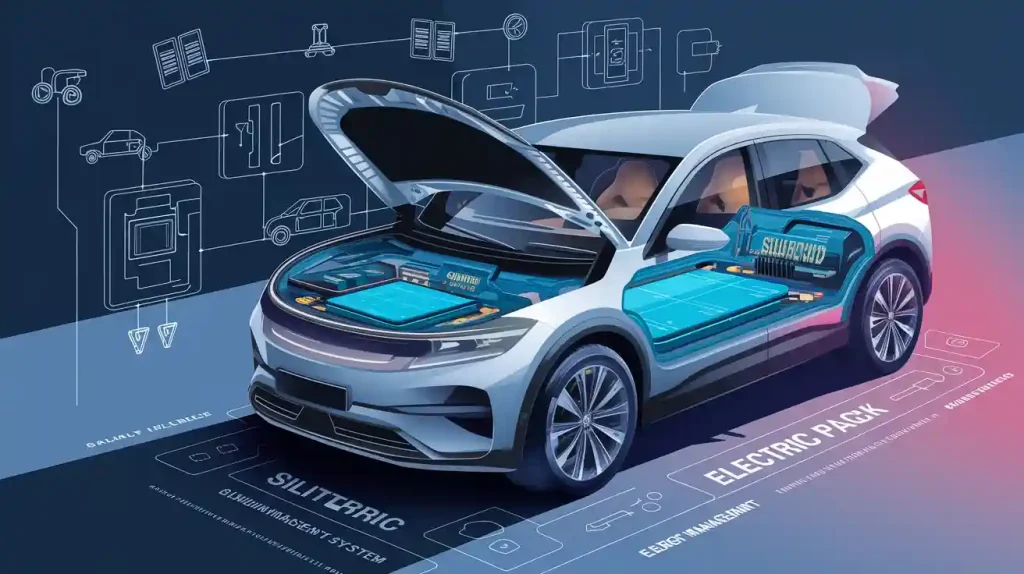
For example, in self-driving cars, this setup lets the system study video feeds right away. The FPGA handles data from many cameras, and the memory stores and gets image data fast. This helps the car find objects, see patterns, and make choices without delay.
In medical imaging, this combo processes detailed scans fast, helping doctors make better diagnoses. In factories, it helps machines work and stay controlled in real time. By using both FPGA and MT41K128M16JT-125K, you can create systems that are fast, scalable, and efficient for many uses.
Advantages of FPGA and MT41K128M16JT-125K in Image Processing
Speed and Efficiency in Real-Time Processing
Real-time image processing needs to be fast and smooth. FPGA technology and the MT41K128M16JT-125K memory work well together. FPGAs can do many tasks at the same time. This helps process image data quickly and without delays.
The MT41K128M16JT-125K memory adds speed by accessing data very fast. It can transfer data at up to 1600 MT/s. This reduces waiting time and keeps things running smoothly. Together, they make real-time processing much better.
FIPLib, a tool for FPGA image processing, showed great results:
Speed improved by up to 57×.
Energy use dropped by up to 106×.
These gains make FPGA and MT41K128M16JT-125K perfect for tasks like self-driving cars and medical imaging.
Flexibility for Custom Image Processing Algorithms
FPGAs are very flexible for creating custom image processing methods. Unlike regular processors, FPGAs can be changed to fit specific needs. This lets you design and improve algorithms for your project.
Studies show how efficient FPGAs are for image processing:
Feature | What It Does |
|---|---|
Parallel Kernels | Builds fast parallel systems connected by data streams. |
Performance | Handles up to 64 tasks at once for better results. |
Energy Consumption | Uses less energy while still working very fast. |
FPGAs process image data quickly because they work on many parts at once. You can also change them easily to test and improve your designs. This keeps your system fast and up-to-date.
Scalability for Complex Image Processing Applications
As image tasks get harder, systems need to grow. FPGAs and MT41K128M16JT-125K memory offer a solution that can expand. Their design includes parts you can program to meet new needs.
This means you can handle harder tasks without buying new hardware. For example, in factories, FPGAs can be updated for new image tasks. This saves money and makes systems last longer.
By using FPGA and MT41K128M16JT-125K, you can build systems that grow with your needs. Whether it’s spotting objects in real time or helping doctors with scans, these tools give the power to succeed.
Challenges in FPGA-Based Image Processing
Design Complexity and Development Tools
Using FPGAs for image processing can be tricky. You need special skills to program and improve them. Unlike regular processors, FPGAs use hardware description languages (HDLs) or high-level synthesis (HLS) tools. These tools help create custom designs for real-time tasks but are hard to learn.
Here’s a simple look at common FPGA design methods:
Methodology Type | What It Does |
|---|---|
Hardware Description Language (HDL) | Uses HDL to build and run algorithms. |
High-Level Synthesis (HLS) | Lets you program using easier languages like C/C++. |
Soft Processor Cores | Builds designs that use FPGA’s flexible programming features. |
Each method has its pros, but all need careful planning. Tool limits can also slow down your work. Still, learning these tools helps you unlock FPGA’s full power for image and signal tasks.
Power Consumption and Thermal Management
FPGAs for real-time image tasks use a lot of power. Fast processing creates heat, which can hurt performance. To fix this, you need good cooling and power-saving tricks.
For example, dynamic voltage scaling lowers energy use during easy tasks. Modern FPGAs also have built-in tools to watch and control power. These tools keep systems stable and cool. But designing such systems takes care, especially for jobs like medical scans or self-driving cars where reliability matters.
Cost Considerations for High-Performance Systems
Making high-performance FPGA systems can cost a lot. Advanced FPGAs, fast memory like MT41K128M16JT-125K, and tools are pricey. The FPGA market is growing fast because of high-performance computing and 5G needs.
Year | Market Value (USD Billion) | Growth Rate (%) |
|---|---|---|
2023 | – | |
2033 | 39.0 | 13.6 |
This growth is driven by data centers and 5G tech. While starting costs are high, FPGAs are flexible and scalable, making them worth it long-term. With smart planning and the latest tools, you can balance costs and performance to meet your goals.
Development Workflow for FPGA Image Processing
Tools for FPGA Programming and Optimization
To program and improve FPGAs, you need the right tools. Tools like Xilinx Vivado HLS and Intel FPGA SDK for OpenCL make this easier. They help turn simple code into hardware instructions for better results.
Tools | What They Measure |
|---|---|
Xilinx Vivado HLS | How fast tasks are done |
Intel FPGA SDK for OpenCL | Data processed per second |
Energy used | |
Hardware resources needed |
Focus on key things like speed, data flow, energy use, and resources. For example, speed shows how fast your system works. Data flow measures how much data is handled every second. Watching these helps you improve your design for the best results.
Combining MT41K128M16JT-125K with FPGA Platforms
Using MT41K128M16JT-125K with FPGAs is important for fast image tasks. This memory gives quick and steady data access, matching FPGA’s multitasking power. Follow these steps to combine them:
Test your design with tools like ModelSim or Vivado Simulator before using hardware.
Build and load the design onto the FPGA using software like Xilinx Vivado or Intel Quartus Prime.
Connect to image sensors, like CCD or CMOS, to turn light into digital data.
This process makes sure the FPGA and memory work well together. It helps handle big image files quickly. For example, in signal processing, this setup manages high-quality images without delays.
Testing and Debugging Real-Time Image Processing Systems
Testing and fixing problems are key for reliable image systems. Camera simulation tools help a lot here. They let you test your FPGA design with controlled data, making it easier to find and fix issues.
For example, in quality checks, you can use camera simulation to test image tools with sample pictures. This lets you check the same frames repeatedly to ensure everything works right. These tools help you confidently use your FPGA image systems in real-world tasks.
Practical Uses of FPGA Image Processing
Self-Driving Cars and Spotting Objects Fast
Self-driving cars use FPGA technology to find objects quickly. These cars have cameras and sensors to see their surroundings. FPGAs process this data fast to spot people, cars, and road signs. This quick processing helps the car make safe choices right away.
You can also create special programs for tasks like finding lanes or avoiding obstacles. FPGAs work on many tasks at once, making them great for busy roads. When paired with fast memory, they help cars run safely and smoothly in real-time.
Medical Scans and Quick Diagnoses
FPGA technology makes medical imaging faster and smarter. In scans like CT or MRI, FPGAs speed up how images are processed. This helps doctors get results quickly, which is important in emergencies.
For example, FPGAs handle detailed images from machines like MRI scanners. This gives doctors clear pictures fast. You can also design systems with FPGAs that adjust to new scanning methods. This makes them useful for future medical tools.
Benefits of FPGAs in medical imaging:
Faster image processing for quick decisions.
Support for smart diagnostic tools.
Real-time performance during surgeries or tests.
Factory Machines and Security Cameras
In factories, FPGAs make machines work better with image tools. They study pictures from cameras to check products, find mistakes, and keep quality high. Their fast processing is perfect for busy production lines.
Security systems also use FPGAs to study video feeds. They can spot strange actions or follow moving objects. FPGAs handle big amounts of video data without slowing down. You can upgrade these systems easily as needs change, saving money over time.
Using MT41K128M16JT-125K with FPGA platforms changes image processing. These tools work together for fast and powerful results. They are great for real-time tasks like medical scans or self-driving cars.
FPGAs with SRAM are quick and flexible. This makes them perfect for jobs in data centers or telecom. They handle hard tasks well and can grow for future needs. Big companies like Intel and Amazon use FPGAs to boost performance and create custom designs.
Learning about these tools can lead to new ideas. Whether improving cameras or building smart image systems, MT41K128M16JT-125K and FPGAs help you succeed.
FAQ
Why is FPGA technology good for real-time image processing?
FPGA technology can do many tasks at once. This helps process image data fast and efficiently. It works well for real-time jobs like finding objects or medical scans.
How does MT41K128M16JT-125K help with image processing?
MT41K128M16JT-125K gives quick access to data with little delay. This helps your system save and get image data fast, making real-time tasks smoother and faster.
Can FPGA systems change for future needs?
Yes, FPGA systems can be updated easily. You can reprogram them for new tasks or methods without buying new hardware. This makes them a smart and cost-saving choice.
Are FPGA systems good at saving energy?
FPGA systems can save energy if designed well. Using tricks like lowering voltage and smart programming helps them use less power. This makes them great for nonstop real-time work.
Which industries use FPGA and MT41K128M16JT-125K the most?
Industries like cars, healthcare, and factories use them a lot. They are used in self-driving cars, medical scans, and checking products in factories where fast image processing is needed.
See Also
Unlock High-Speed I/O Expansion Using EPM1270T144C5N
EPCS16SI8N: The Perfect Fit for All FPGA Systems
Implementing TMS320F28034 for Superior Automation System Performance
Understanding MPC8309CVMAHFCA’s Role in Edge Computing Efficiency
Uncovering STM32L151C8T6A’s Dominance in Industrial Sensor Technology