
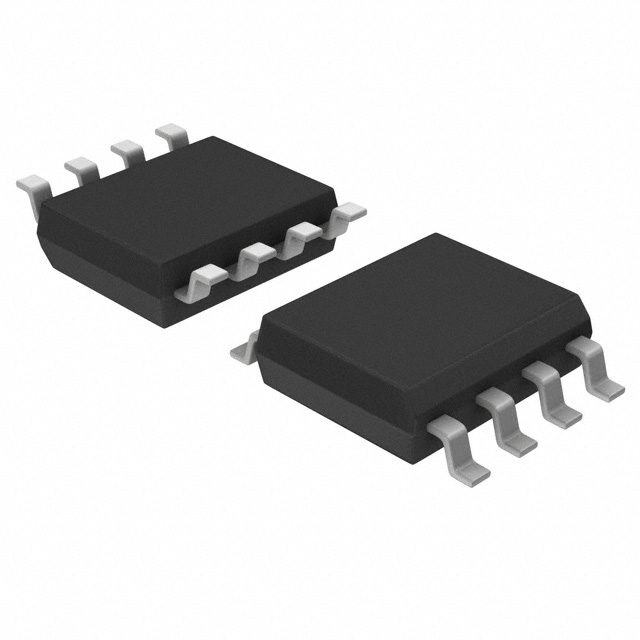
The EPCS16SI8N supports multiple FPGA configurations and is suitable for complex logic system design, providing reliable memory for FPGA systems. With its 16Mbits of storage, it ensures accurate retention of configuration data and allows for easy reprogramming to accommodate changes. Utilizing advanced tools like Linear SVM and Random Forest, it delivers exceptional accuracy. The EPCS16SI8N integrates seamlessly with Altera’s Quartus II software, simplifying the setup process. Its versatile programming modes make it adaptable for a variety of tasks. Whether enhancing performance or scaling designs, this memory is designed to confidently manage intricate logic systems.
Key Takeaways
The EPCS16SI8N is a memory chip made for FPGA systems. It stores 16Mbits of data safely for system setup.
This chip is easy to reprogram, so it works for many jobs. It is useful in healthcare, IoT, and automation fields.
It works well with Altera’s Quartus II software. This makes programming easier and improves how systems run.
The EPCS16SI8N works with voltages from 2.7V to 3.6V. This helps it stay reliable in different places.
Using the EPCS16SI8N saves money and space. It is a good pick for designing complex logic systems.
Overview of EPCS16SI8N
What is EPCS16SI8N?
The EPCS16SI8N is a memory chip made for FPGA systems. It stores data to ensure your FPGA designs work properly. Its small size and long-lasting memory make it great for machines and industrial uses.
Here are some ways the EPCS16SI8N is used:
FPGA Programming: Keeps data safe for reliable FPGA programming.
Embedded Systems: Saves settings with its long-lasting memory.
Communication Networks: Helps FPGAs in routers and switches work securely.
Industrial Control Systems: Programs FPGAs for motor control and automation.
Test and Measurement Equipment: Sets up FPGAs to handle data accurately.
It is easy to program, works with different voltages, and keeps data secure. Its small size makes it perfect for designing complex systems.
Key specifications and capabilities
The EPCS16SI8N has 16Mbits of memory, giving plenty of space for FPGA data. You can reprogram it to fit changing project needs, making it great for flexible designs.
It works well with Altera’s Quartus II software, which makes programming simple. The chip supports different programming modes, so you can set up your FPGA systems in various ways. It operates steadily with voltages from 2.7V to 3.6V, making it reliable in many conditions.
Its small 8-pin SOIC design saves space, which is helpful for tight spaces. Whether for networks, automation, or embedded systems, the EPCS16SI8N handles many FPGA setups and fits complex system designs.
How EPCS16SI8N Helps with FPGA Configurations
Why configuration memory matters in FPGA systems
Configuration memory is very important for FPGA systems. It keeps the data that tells the FPGA what to do. Without this memory, the FPGA won’t work properly. Think of it like a plan that helps the FPGA complete tasks. This memory also keeps the FPGA’s setup even when the power is off, making it dependable for long-term use.
In FPGA systems, you can reprogram the memory for new tasks. This makes it useful in areas like medical devices, automation, and telecommunications. For example, in communication networks, this memory helps FPGAs adjust to new data speeds or rules. This keeps your systems working well and up-to-date.
How EPCS16SI8N supports different setups
The EPCS16SI8N has 16Mbits of memory to store FPGA setups. This lets the FPGA switch between different tasks easily. Whether for one project or a big system, this feature helps meet various needs.
It works well with Altera’s Quartus II software, making programming simple. You can quickly update or load new data to match your FPGA to new jobs. The chip also supports different programming methods, so you can pick what works best. It runs well with voltages from 2.7V to 3.6V, making it reliable in many places.
Examples of how it’s used in complex systems
The EPCS16SI8N is great for complex systems in many industries. In healthcare, it improves machines for faster and better results. This helps doctors make quicker and more accurate decisions. For IoT, it keeps smart homes and factories running smoothly. It also saves energy while staying connected.
Here’s a table showing its uses:
Where It’s Used | What It Does |
|---|---|
FPGA Programming | Saves data to program FPGAs reliably. |
Embedded Systems | Keeps settings safe in electronic devices. |
Communication Networks | Helps FPGAs in routers and switches work securely. |
Industrial Control Systems | Programs FPGAs for controlling motors and automating tasks. |
Test and Measurement Equipment | Sets up FPGAs in tools like oscilloscopes for accurate data work. |
The EPCS16SI8N also supports advanced tech like AI and cloud computing. It handles big data well, helping machine learning work better. In 5G networks, it speeds up data and keeps connections stable. This is important for smart cities. These examples show how the EPCS16SI8N is great for many FPGA setups and complex designs.
Benefits of Using EPCS16SI8N for Complex Logic System Design
Enhanced flexibility and scalability
The EPCS16SI8N helps FPGA systems adjust to changing needs. Its memory can be reprogrammed, letting you update setups fast. This keeps your designs useful and ready for new tasks. Whether for small projects or big systems, this chip works well. Its 16Mbits of memory hold many setups, making it great for IoT and automation.
For example, in IoT, the EPCS16SI8N lets smart devices switch tasks easily. In factories, it reconfigures FPGAs for different jobs without new hardware. This saves time and boosts productivity.
Tip: Use the EPCS16SI8N to keep your designs ready for future changes.
Improved system reliability and performance
Reliability is key for complex systems, and the EPCS16SI8N delivers. It works well even in tough conditions. The chip keeps setup data safe, so your FPGA systems run smoothly.
Here’s how the EPCS16SI8N improves performance in different areas:
Application Area | Performance Benefit |
|---|---|
Medical Devices | Makes diagnostic tools more accurate, helping patients. |
IoT | Keeps smart devices connected and saves energy. |
Industrial Control Systems | Strengthens systems for tough jobs, ensuring safety and smooth work. |
AI | Handles big data fast, improving machine learning for smart tools. |
Cloud Computing | Speeds up data handling, making cloud systems more reliable. |
Wireless Communication | Improves data storage, boosting communication speed and security. |
In medical tools, the EPCS16SI8N helps with precise setups for better results. For AI, it processes big data quickly, improving smart systems. These features make it a dependable choice for important tasks.
Cost-effectiveness and ease of integration
The EPCS16SI8N supports many FPGA setups and fits complex designs. It’s a budget-friendly option for projects. Its small 8-pin design saves space and lowers costs. It works with Altera’s Quartus II software, making programming simple and fast.
Its voltage range (2.7V to 3.6V) works with many systems, so extra parts aren’t needed. This makes it easy to add to your designs and speeds up project timelines.
Note: Picking the EPCS16SI8N saves money and gives you a strong, efficient solution for FPGA systems.
Comparison with Other Configuration Solutions
How EPCS16SI8N stands out
The EPCS16SI8N has special features that make it a great choice. Its small size and wide voltage range work for many uses. Unlike others, it keeps data safe with non-volatile memory, even when off. It uses a serial interface, making it easy to connect to FPGA systems.
Here’s a table showing its advantages:
Feature | EPCS16SI8N | Other Configuration Solutions |
|---|---|---|
Size | Small | Changes |
Operating Voltage Range | Wide | Narrow |
Secure Configuration | Yes | Sometimes |
Non-volatile Memory Storage | Yes | Sometimes |
Programming Interface | Serial | Serial or Parallel |
These features make the EPCS16SI8N dependable for FPGA configurations. It works well in different setups and handles modern tech needs.
Scenarios where EPCS16SI8N is the ideal choice
The EPCS16SI8N is perfect for jobs needing accuracy and reliability. It’s useful in areas like 5G, healthcare, and factories. For example:
5G Networks: Speeds up data and keeps connections steady.
Medical Devices: Improves tools for better results and patient care.
Communication Networks: Helps FPGAs in routers work smoothly.
Industrial Control Systems: Programs FPGAs for motor control and automation.
Test and Measurement: Makes tools like oscilloscopes process data correctly.
The EPCS16SI8N fits many industries. In networks, it secures FPGA setups. In factories, it helps with automation. For testing tools, it ensures accuracy. Whether for 5G or medical devices, this chip gives great performance and flexibility.
The EPCS16SI8N works with many FPGA setups and helps with complex designs. It is a dependable choice for engineers. Its strong memory keeps data safe, even when the power is off. The chip’s wide voltage range lets it work in different devices. Its secure features protect your FPGA programming from risks.
Here’s a simple look at its key features:
Feature | What It Does |
|---|---|
Non-volatile memory storage | Keeps data safe without needing power |
Wide operating voltage range | Works well in many electronic devices |
Secure configuration features | Protects FPGA programming from being changed |
The EPCS16SI8N is easy to use and can be updated quickly. It helps you create smart and flexible FPGA systems. Its reliability and flexibility make it great for solving tough design problems.
FAQ
What makes the EPCS16SI8N special compared to other chips?
The EPCS16SI8N has 16Mbits of non-volatile memory. It works with Altera’s Quartus II software and supports a wide voltage range. Its small size and secure features make it great for complex FPGA systems.
Can the EPCS16SI8N be reprogrammed many times?
Yes, you can reprogram the EPCS16SI8N whenever needed. This lets you quickly update FPGA configurations, making it ideal for projects with frequent changes.
Is the EPCS16SI8N good for tough industrial settings?
Yes! The EPCS16SI8N works well in harsh conditions. Its wide voltage range and secure memory make it reliable for automation and industrial systems.
Tip: Choose the EPCS16SI8N for projects needing both reliability and flexibility.
How does the EPCS16SI8N boost system performance?
The EPCS16SI8N keeps configuration data safe for smooth FPGA operation. It allows fast updates, improving performance in IoT, AI, and 5G applications.
What tools can program the EPCS16SI8N?
You can use Altera’s Quartus II software to program the EPCS16SI8N. This tool makes setup easy and works with many FPGA designs.
Emoji Highlight: 🛠️ The EPCS16SI8N is a handy chip for advanced FPGA systems.
See Also
Unlock High-Speed I/O Expansion Using EPM1270T144C5N
Understanding MPC8309CVMAHFCA’s Role in Edge Computing Performance
Reasons W25Q256JVEIQ Excels in Embedded System Applications